Business Model Reviews
Hidden Treasure Containers: Turning China’s Overstock & Returns into Profit
Jan
Many factories in China sit on overstock and online return goods that they prefer to liquidate in bulk instead of handling piece‑by‑piece resale or reverse logistics. This creates an opportunity to buy large mixed lots at very low cost and use Hong Kong as a flexible hub to re‑export into lower‑regulation markets.
Two sourcing channels
-
Factory overstock and cancelled orders
-
Surplus units from cancelled purchase orders, packaging changes or seasonal stock can be purchased well below normal wholesale, especially when factories need space and cash flow.
-
Buyers can choose to take goods in original packaging or strip packaging and buy purely by weight or tonnage to reduce handling and compliance issues in the destination market.
-
-
Refund & return containers (“blind box” style)
-
Online sellers around the work often do not want refund items back because of the cost of checking, repacking and reselling, so these returns are sold by the pallet or container as mixed lots.
-
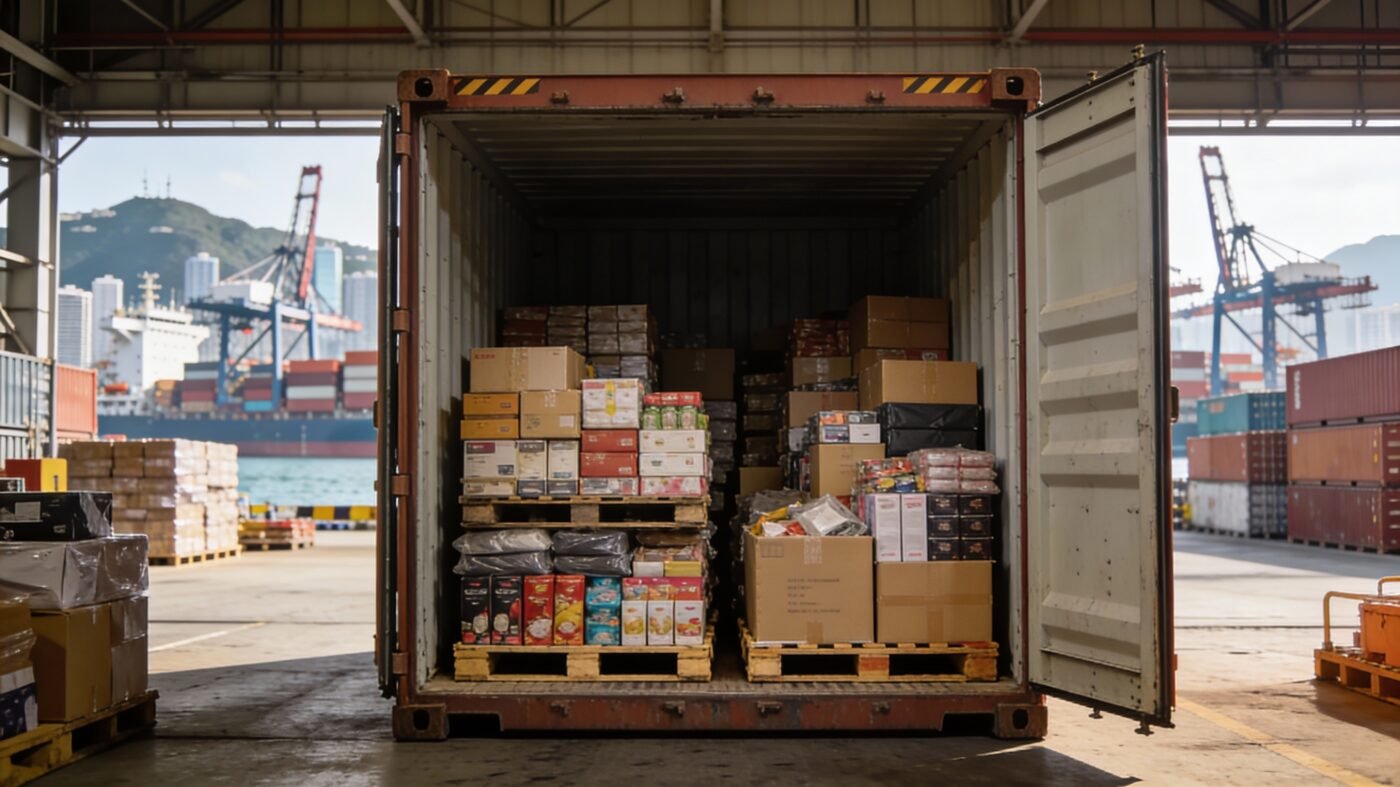
A typical model is to commit to a full container to Hong Kong on a fixed monthly schedule, pay a low blended price for the entire load, and accept that exact contents are unknown in advance – similar to a wholesale “mystery box”.
-
Logistics and target markets
-
Routing via Hong Kong
-
Hong Kong already acts as a major re‑export hub for goods of Mainland origin, with a long history of handling processing‑trade and mixed‑cargo shipments efficiently.
-
Using Hong Kong as the consolidation point makes it easier to mix different factories’ stocks into one container, handle payment, quality checks and basic sorting before re‑export.
-
-
Exporting to lower‑restriction countries
-
The model works best when shipping to countries where import tax rules and product‑type checks are less complex for small mixed consignments, compared with highly regulated markets like the US or EU.
-
In these destinations, wholesalers and discount retailers can absorb assorted stock, re‑label where needed and resell at affordable price points for mass‑market or “bargain” consumers.
-
Profit and risk profile
-
Margin potential
-
Because purchase cost per unit is extremely low and sellers are mainly trying to clear space, traders can often re‑sell mixed loads to developing or lower‑end markets on a markup that targets around 50% overall margin after freight and handling.
-
Spreading risk across thousands of units in each container helps smooth out the fact that some products will be slow‑moving or unsellable.
-
-
Key risks to manage
-
Exact contents, quality and product mix are uncertain in return and overstock containers, so due diligence on suppliers and clear grading rules (A/B/C/unsorted) are essential.
-
Importers must still respect local safety, labelling and customs rules in the final destination; even “low restriction” countries enforce basic standards on items like electronics, cosmetics and food‑contact goods.
-
How One Way Export can help
-
Sourcing and negotiation in China
-
Local teams and partners can identify factories with recurring overstock and high return volumes, negotiate below‑market bulk prices, and lock in repeat monthly allocations.
-
-
Container consolidation via Hong Kong
-
One Way Export can receive, combine and load mixed stock into full containers bound for selected destination ports, with basic inspection, sorting and documentation prepared in Hong Kong.
-
-
Route planning and compliance guidance
-
By matching product type and client requirements with different markets’ tax and customs environments, the service helps clients choose routes where mixed‑cargo liquidation models are commercially viable while staying compliant.
-
