Business Model Reviews, Uncategorized
Quick China Factory Stock Clearance: Win–Win for Factory and Buyer
Dec
Quick China Factory Stock Clearance: Win–Win for Factory and Buyer
Across China, thousands of factories sit on surplus inventory: cancelled orders, overproduction, old‑season goods and stock left over after packaging or branding changes. Instead of holding this stock in the warehouse, many factories prefer to clear everything fast, even at a small fraction of the original factory price, just to free cash and space.
This creates a powerful win–win model: the factory ships out quickly, and importers worldwide get high‑quality goods at very low cost per item.
What Type of China Stock Do We Offer?
Chinese factories produce almost every consumer product you can imagine: clothing, footwear, kitchenware, plates, textiles, plastic items, toys and homeware. Surplus runs across all of these categories.
1. Boxed surplus (priced per piece)
These are goods still in cartons or original packaging, often fully labelled and sometimes branded.
-
Clear quantity per box, ideal for export and online resale
-
Often from cancelled export orders or overproduction
-
Typical deal: factories sell far below their normal factory price to move fast
This option is perfect when the buyer wants clean stock, simple counting and easy resale information.
2. Mixed stock lots (priced by weight)
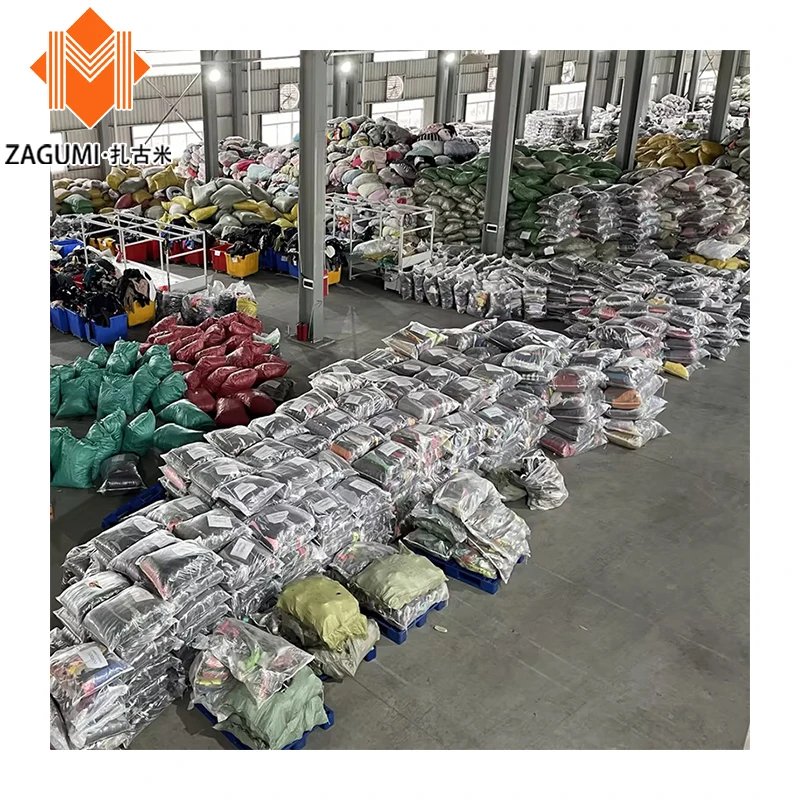
Many factories and stocklot wholesalers in China also offer mixed pallets or bales, sold by weight instead of per piece.
-
Mixed items: clothing, household goods, kitchen items and more in one lot
-
Wrapped and consolidated for quick loading and export
-
Very low cost per kilo, often much cheaper than standard wholesale
This model suits buyers who can sort, grade and resell through markets, discount shops or bulk lots in their own country.
Why Chinese Factories Want Quick Sell & Ship
From the factory side, keeping slow‑moving stock on the shelf is a real cost.
-
Warehousing in industrial areas costs money; long‑term storage kills profit.
-
Old designs and cancelled orders block space needed for new, profitable production.
-
Pressure on cash flow means factories prefer to convert dead stock into immediate cash, even at a big discount.
By offering fast decisions and consolidated export shipments, you help factories clean their warehouse and focus on new orders.
Business Pros: Benefits for Global Buyers
Buying surplus stock directly from China factories and stocklot suppliers is very attractive for importers, wholesalers and online sellers.
-
Ultra‑low buying prices
-
Stock lot products are often sold at a small fraction of the original factory price.
-
Your landed cost per item can be far below regular wholesale, even after freight and duties.
-
-
Huge variety of products
-
Surplus covers clothing, shoes, bags, kitchenware, plastic goods, toys and daily necessities.
-
You can build a wide range for discount stores, markets or export to multiple regions.
-
-
Strong profit potential
-
With deep discounts, resale mark‑ups of 50–200% are possible depending on category and sales channel.
-
Many traders use China stock lots to supply price‑sensitive markets with affordable, good‑quality goods.
-
-
Fast loading, fast shipping
-
Goods are already produced and in stock, so there is no production lead time.
-
Once payment and documents are confirmed, containers can be loaded and shipped quickly.
-
Business Cons: Risks You Must Control
There is no high profit without some risk, especially when buying mixed or very cheap surplus.
-
Limited repeatability
-
Surplus is usually one‑time stock: once the lot is sold, the exact same items may not be available again.
-
This makes it harder to build a long‑term brand on a single SKU.
-
-
Quality and mix variations
-
Even from good factories, some items may be old design, odd sizes or slower sellers.
-
With mixed lots by weight, the exact mix is not 100% predictable; you need sorting and grading capacity.
-
-
Logistics and import complexity
-
Buyers still manage shipping, customs clearance, HS codes and local regulations.
-
For kitchenware or electrical items, you must check if products meet safety standards in your country.
-
-
Cash flow and storage
-
A container of cheap stock is still a big cash investment.
-
If you cannot sell quickly, it ties up capital and warehouse space on your side instead of the factory’s.
-
How Much Money Can You Make From China Factory Stock?
Profit depends on your buying price, freight cost and selling channel, but China’s surplus stock environment gives serious room for margin. Below are simplified examples you can show to potential buyers.
Example 1 – Branded or high‑quality kitchen items (boxed)
-
Factory original price: US$4.00 per piece
-
Surplus stock offer: around US$1.00 per piece
-
Landed cost after freight, customs and handling: about US$1.60 per piece (example)
-
Resale price in destination market: US$3.50–4.50 through wholesale or discount retail
Even if you sell at US$3.50, your gross margin per item is around US$1.90, more than 100% above landed cost.
Example 2 – Mixed textiles and household items (by weight)
-
Mixed stock price in China: around US$1.50 per kg for clothing, textiles and small homeware
-
One 20‑ft container may hold roughly 8,000–10,000 kg depending on packing
-
Assume average saleable cost after freight and duty is US$2.20 per kg
-
If your local market lets you sell items at an average of US$0.80–1.20 per piece, with 3–4 items per kg, your revenue per kg can reach roughly US$2.40–4.80
This leaves space to cover sorting labour, shop costs and still keep a healthy net profit if you manage operations tightly.
How This Model Helps Factories and Buyers
From a business point of view, China surplus stock is an efficiency game.
-
Factories convert dead stock into cash and free warehouse space to focus on new orders.
-
Buyers in other countries access high‑quality goods far below normal wholesale, opening space for strong mark‑ups and competitive prices.
-
Goods are reused instead of being scrapped, supporting a more sustainable and circular trade model.
You can easily adapt this content by adding your company name, your minimum order quantity, and the main markets you ship to, for example: “We specialise in shipping China surplus stock to Africa, the Middle East and Europe.”
